
GeoLibre 2.3: Can It Replace Google Earth Pro?
GeoLibre 2.3 brings local-first GIS to browsers and desktops, but rapid release churn and security gaps make it a pilot—not a QGIS replacement.
Roundups and evaluation notes for alternatives, self-hosting, licenses, and project due diligence—linked to the live catalog when it helps.
GeoLibre 2.3 brings local-first GIS to browsers and desktops, but rapid release churn and security gaps make it a pilot—not a QGIS replacement.
Bitchat relays messages without internet access, but stable-build gaps, metadata exposure, and short radio range make it a backup—not a safety guarantee.
A researched Iroh 1.0 analysis covering QUIC, NAT traversal, relays, privacy, security, operating cost, lock-in and a production pilot.
A clear comparison of LibreOffice and Apache OpenOffice—development activity, compatibility, extensions, migration risk, and when each still makes sense.
Compare hosted and self-hosted GitHub alternatives—GitLab, Codeberg, Gitea, Forgejo, Bitbucket, SourceHut, and more—by control, CI/CD, pricing, stack fit, and migration risk.
A practical shortlist of free and open-source Photoshop alternatives—GIMP, Krita, Photopea, Inkscape, Penpot, and photography tools—mapped to real creative workflows, with clear limits and migration advice.
A plain-language guide to open-source business models: open-core, hosted SaaS, support, dual licensing, marketplace ecosystems, and what buyers should watch for.
Compare open and freemium Postman alternatives for API design, testing, collections, and team collaboration—including Insomnia, Hoppscotch, Bruno, and code-first workflows.
GeoLibre 2.3 brings local-first GIS to browsers and desktops, but rapid release churn and security gaps make it a pilot—not a QGIS replacement.
Bitchat relays messages without internet access, but stable-build gaps, metadata exposure, and short radio range make it a backup—not a safety guarantee.
A researched Iroh 1.0 analysis covering QUIC, NAT traversal, relays, privacy, security, operating cost, lock-in and a production pilot.
A researched Jellyfin 12 RC3 upgrade analysis covering stability, database rollback, plugins, clients, security, leadership changes and a safe test plan.
A researched Paperless-ngx 3.0 security review covering plaintext storage, disk encryption, AI privacy, migration risks, backups and safer hosting.
A researched Harper 2.6 review: local data flow, grammar limits, integrations, security gaps, version skew and a practical migration pilot.
A researched OpenShip 0.3.0 assessment: architecture, root-level security, release maturity, privacy, operating cost and a safe production pilot.
A researched Hyprland 0.56 assessment: Lua configuration, distro compatibility, security boundaries, NVIDIA risk, operating cost and adoption tests.
A reproducible snapshot of 2,078 approved open-source listings: category concentration, license families, repository activity coverage, alternative mapping, and data limitations.
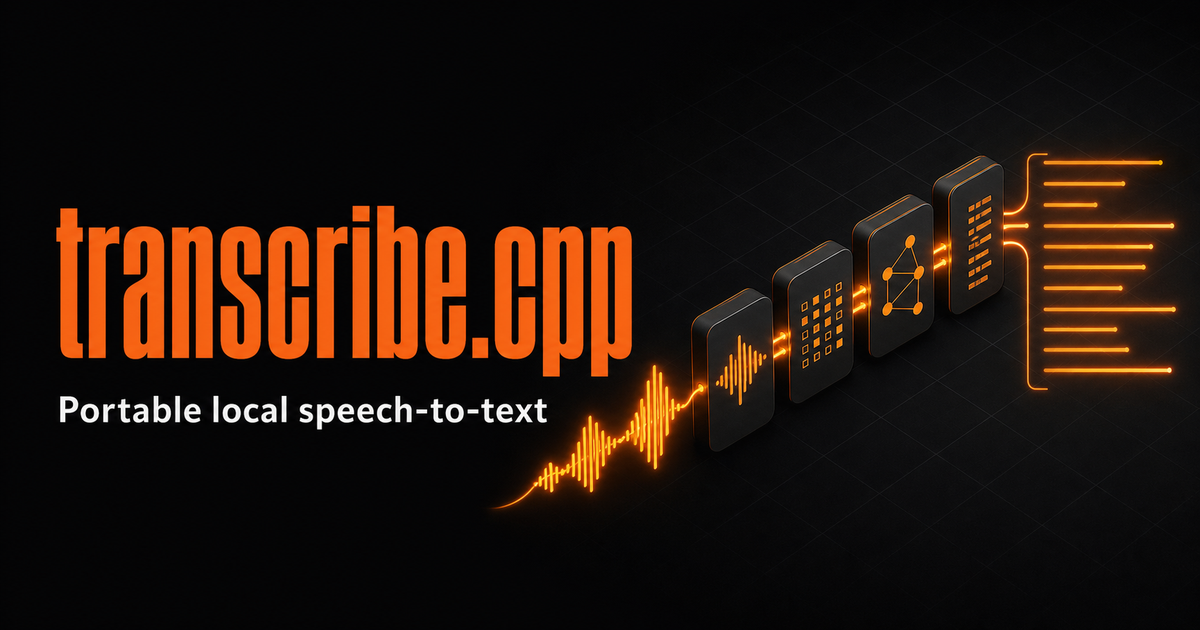
A practical assessment of transcribe.cpp 0.1.3: portable local speech-to-text, model choice, privacy, packaging, maturity and production risks.
Honest look at open-source Ahrefs and Semrush alternatives: Matomo SEO, Plausible, rank trackers like SerpBear, crawlers, and why a full Ahrefs clone does not exist.
Compare CrewAI, LangGraph, AutoGen, OpenHands, PydanticAI, and smolagents by workflow control, local-model support, deployment, and operational complexity.
Compare Keycloak, authentik, FreeIPA, Ory, Zitadel, and Authelia as open-source Auth0 and Okta alternatives for SSO, MFA, and customer or workforce identity.
Compare Chatto, Stoat (formerly Revolt), Mattermost, Rocket.Chat, Element/Matrix, and Fluxer as open-source Discord alternatives for communities and self-hosted team chat—with migration caveats.
Compare Penpot, Excalidraw, Pencil, and Inkscape as open-source Figma alternatives for UI design, whiteboarding, and vector work—with honest limits on multiplayer and design systems.
Compare Crawl4AI, Scrapy, Browser Use, Playwright, and other open tools for crawling, JavaScript rendering, structured extraction, and agent-ready web data.
Compare Nextcloud, Seafile, Spacedrive, and Puter as open-source Google Drive alternatives for sync, sharing, and personal cloud storage—with client and ops reality checks.
Compare Immich, Ente, PhotoPrism, and LibrePhotos as open-source Google Photos alternatives for private libraries, mobile backup, search, and self-hosting.
Compare Plane, OpenProject, Huly, Taiga, and Focalboard as open-source Linear and Jira alternatives for issue tracking, product delivery, and self-hosted project management.
Compare Garage, Ceph, SeaweedFS, RustFS and Zenko by scale, S3 compatibility, failure model and operational complexity before migrating object storage.
When to pick Colanode or Huly as open-source Notion+Slack all-in-ones—and when separate FOSS Notion and Slack alternatives are the smarter stack.
Compare Joplin, Notesnook, Standard Notes, SiYuan, Memos and AppFlowy for notebooks, encryption, local-first storage and team knowledge.
Compare Wallabag, Karakeep, Linkwarden, Linkding and Faved for distraction-free reading, bookmarking, archiving and self-hosted collections.
Compare Metabase, Apache Superset, Grafana, Lightdash and Evidence by audience, semantic layer, deployment and dashboard workflow.
Compare Odysseus, Open WebUI, LibreChat, Onyx, AnythingLLM, and local LLM stacks as self-hosted AI workspaces versus ChatGPT and Cursor cloud—with honest trade-offs and a practical pilot plan.
Compare Coolify, CapRover, Dokku, and Traefik-plus-Compose as open-source Vercel and Netlify alternatives—and when Cloudflare Workers is a different class of platform.
Compare diagrams.net, Excalidraw, Mermaid, tldraw and drawDB for business diagrams, whiteboards, docs-as-code and database schemas.
Compare Handy, FluidVoice, VoiceInk, OpenWhispr, Amical, Jarvis and VoiceTypr by operating system, local processing, licensing and setup effort.
Choose between PeerTube, Invidious, yt-dlp, Loops, Navidrome and Nuclear by separating video publishing, private viewing, downloads and media libraries.
Compare LibreChat, LobeChat, Jan, AnythingLLM and Ollama when Open WebUI is not the right fit for local models, teams or document workflows.
Compare Cline, Aider, OpenHands, Goose and Continue as alternatives to OpenCode, with a practical framework for models, safety and repository workflows.
Compare Navidrome, Jellyfin and Nuclear for self-hosted music, then plan a realistic migration from Spotify playlists to an owned audio library.
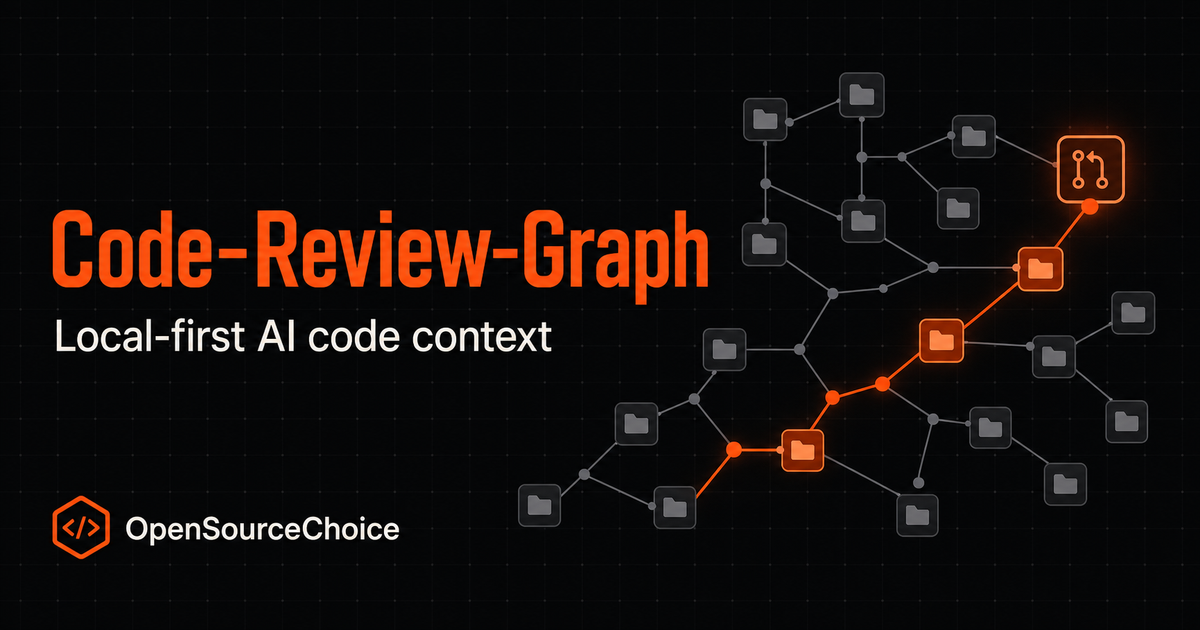
A practical assessment of code-review-graph, the MIT-licensed local code intelligence layer that gives Codex, Claude Code, Cursor and other MCP clients a reusable structural map of a repository.
A practical guide to Codex plugin costs: what is included, what needs authentication, which integrations have a free tier, and when an external service can charge you.
How the Interoperable Europe EU Open Source Solutions Catalogue works, how public administrations discover reusable OSS, and how OpenSourceChoice syncs EU listings into the catalog.
What the EU Open Source Strategy means for European teams, procurement, public-sector reuse, digital sovereignty, and practical migration planning.
Digital sovereignty framing for replacing US SaaS with European and open-source alternatives across collaboration, chat, analytics, cloud, and identity—plus how to shortlist without wishful thinking.
A practical assessment of GitHub Copilot SDK 1.0.7: what the MIT-licensed agent runtime provides, where costs and lock-in remain, and how to evaluate it safely.
A practical open-source stack for GDPR and NIS2-oriented teams: data residency, self-hosting, identity, logging, analytics, secrets, and backups with tools like Nextcloud, Keycloak, Matomo, and Vaultwarden.
A practical 2026 playbook to replace Google Drive, Photos, Analytics, Docs, and optional Mail with open-source tools—Nextcloud, Immich, Plausible, AppFlowy, and more—without boiling the ocean.
A practical 10-app self-hosted starter kit—Immich, Nextcloud, Vaultwarden, Plausible/Umami, Open WebUI, Paperless-ngx, Homarr/Dashy, AdGuard/Pi-hole, Forgejo/Gitea, and optional Jellyfin—with migration tips.
Run a free open-source GPT stack at home: Open WebUI, Ollama, LocalAI, open-weight models, and ChatGPT alternatives you can self-host without sending every prompt to a vendor.
ChatGPT Operator-style browser agents are viral. Compare Browser Use, Firecrawl, Playwright, and open stacks for research, scraping, and agentic web workflows you can audit.
Compare OpenCut, Kdenlive, Shotcut, and related open video tools as CapCut alternatives—plus how generative video (Runway-class) differs from timeline editors.
Compare Open WebUI, LobeChat, LibreChat, local models, and coding agents as open-source Claude alternatives for private chat and Anthropic-style workflows.
Compare OpenCode, Cline, Aider, OpenHands, Continue, Tabby, and OpenAI's own open Codex CLI after recent Codex updates—plus when to pick Cursor or Claude Code instead.
Compare Continue.dev, Cline, Zed, Aider-style CLI agents, and OpenHands as open-source Cursor alternatives for AI coding with BYO models and local control.
Devin is the viral “AI software engineer.” Compare OpenHands, Cline, Goose, Aider, OpenAI Codex CLI, and MCP tool stacks as open-source alternatives you can supervise and self-host.
ElevenLabs dominates AI voice. Compare open TTS/voice projects (Voicebox, VoxCPM, Whisper, FluidVoice, VoiceInk, OpenWispr) and practical stacks for private narration and voice workflows.
Compare Open WebUI, LobeChat, LibreChat, and local LLM stacks as open-source Grok alternatives for private chat without xAI lock-in.
HeyGen is viral for AI avatars and talking-head video. Compare ComfyUI, OpenMontage, Pixelle-Video, OpenCut, Whisper, and open voice/video stacks you can run with more control.
Model Context Protocol (MCP) is the viral open standard for AI tool plugins. Compare Awesome MCP Servers, Goose, Continue, Open WebUI, LiteLLM, and self-hosted MCP stacks.
Run local AI image generation with Stable Diffusion, ComfyUI, and Automatic1111 WebUI as open-source Midjourney and DALL·E alternatives—plus license and GPU tips.
Compare Activepieces, Windmill, Huginn, and related automation platforms as open-source n8n alternatives for workflow automation and AI agents.
Compare Open Notebook, AnythingLLM, and RAG stacks as open-source NotebookLM alternatives for private, source-grounded AI research notebooks.
Compare Logseq, Anytype, Joplin, AppFlowy, and AFFiNE as open-source Obsidian alternatives for local-first notes, graphs, and self-hosted sync.
Build an open Perplexity-style answer engine with chat UIs, RAG notebooks, and search backends you control—plus when ChatGPT/Grok stacks are enough.
Windsurf is a proprietary AI coding IDE/agent suite. Compare Continue, Cline, Zed, OpenHands, Goose, and Cursor-class open stacks for BYO-model editing without vendor lock-in.
Claude Code is trending for agentic coding. Here is how open-source agents (Cline, OpenHands, Continue, Goose, Aider) plus MCP plugins give you portable tools without a single-vendor plugin lock-in.
Codex is viral again—and OpenAI’s Codex CLI is open source. Compare Codex with Cline, OpenHands, Continue, Goose, and MCP plugins for portable coding-agent tooling.
Grok plugins are trending—here’s how Model Context Protocol (MCP) and open-source clients/servers give you portable AI tools beyond any single vendor plugin store.
Permissive vs copyleft, common SPDX licenses, dependency contagion, and a practical checklist for publishing or adopting open-source software.
A decision framework for self-hosting open-source software: data control, cost, compliance, team skills, stack readiness, and when SaaS is still the rational choice.
Privacy-friendly and open-source Google Analytics alternatives—Matomo, Plausible, Umami, PostHog, and privacy SaaS—and how to migrate without losing signal.
Evaluate Mattermost, Rocket.Chat, Zulip, Element/Matrix, and Stoat (formerly Revolt) as open-source Slack alternatives for team chat, compliance, self-hosting, and stack fit.
Compare AppFlowy, AFFiNE, Outline, Docmost, BookStack, Wiki.js, and local-first PKM tools as open-source Notion alternatives for notes, wikis, and team knowledge bases.
A practical due-diligence checklist for adopting open source: problem fit, license, maintainers, releases, security, docs, stack fit, and proof-of-concept tests.
A plain-language guide to open-source business models: open-core, hosted SaaS, support, dual licensing, marketplace ecosystems, and what buyers should watch for.
Compare open-source web analytics platforms—Plausible, Matomo, Umami, PostHog, GoatCounter, Ackee, and more—for privacy, self-hosting, product insights, and stack fit.
A practical shortlist of free and open-source Photoshop alternatives—GIMP, Krita, Photopea, Inkscape, Penpot, and photography tools—mapped to real creative workflows, with clear limits and migration advice.
A clear comparison of LibreOffice and Apache OpenOffice—development activity, compatibility, extensions, migration risk, and when each still makes sense.
Compare open and freemium Postman alternatives for API design, testing, collections, and team collaboration—including Insomnia, Hoppscotch, Bruno, and code-first workflows.
Compare hosted and self-hosted GitHub alternatives—GitLab, Codeberg, Gitea, Forgejo, Bitbucket, SourceHut, and more—by control, CI/CD, pricing, stack fit, and migration risk.